
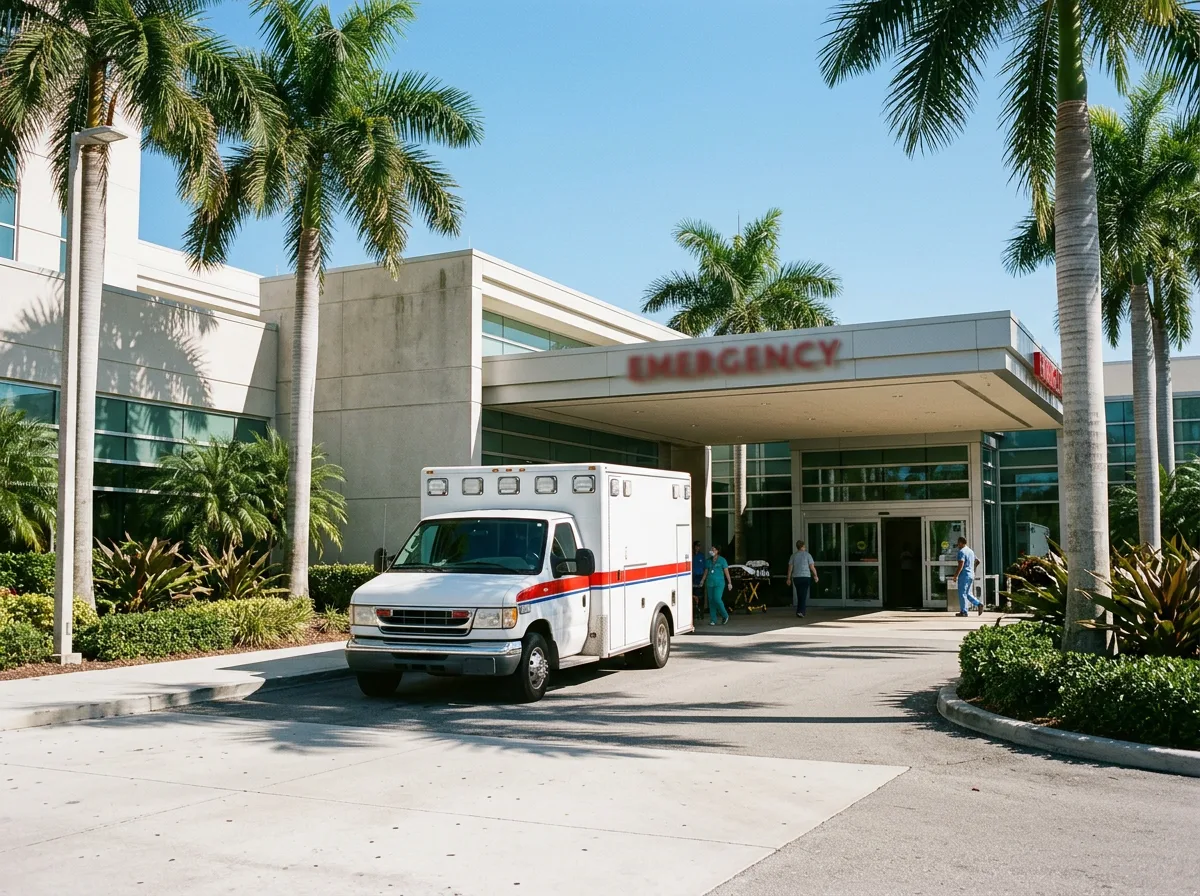
Why Emergency Transport Coverage Deserves Your Attention in Southwest Florida
Living in Southwest Florida means embracing sunshine, coastal breezes, and an enviable lifestyle. But it also means confronting realities that many residents overlook until crisis strikes. When a medical emergency unfolds—whether a heart attack on a Naples golf course, a boating accident off Fort Myers Beach, or a severe fall in your Punta Gorda home—the question of how you'll reach specialized care becomes as critical as the care itself.
Air ambulance bills in Florida routinely exceed $50,000. Ground ambulance transports, while less dramatic, can still generate thousand-dollar invoices that insurance leaves partially unpaid. For retirees on fixed incomes, families juggling multiple financial priorities, and seasonal residents unfamiliar with local healthcare networks, these costs create genuine financial peril.
MASA (Medical Air Services Association) emergency transport benefits exist specifically to close this dangerous gap. Yet confusion persists about what MASA actually covers, how it coordinates with existing health insurance, and whether it's worth the investment. This comprehensive breakdown removes the mystery—equipping you with clarity to protect your health, your home's financial stability, and your peace of mind.
What MASA Emergency Transport Benefits Actually Include
MASA membership is not health insurance in the traditional sense. Rather, it's a specialized benefit program designed to eliminate out-of-pocket costs for emergency medical transportation. Understanding the full scope requires looking beyond the marketing materials to the practical protections that matter when seconds count.
Emergency Air Ambulance Transport: This forms MASA's cornerstone benefit. When ground transport would endanger your life or delay critical care, MASA covers helicopter and fixed-wing air ambulance services. This includes transport from accident scenes to trauma centers, inter-hospital transfers when specialized treatment is required elsewhere, and evacuation from remote locations—think the Ten Thousand Islands or your favorite fishing spot miles offshore.
Ground Ambulance Coverage: MASA extends to emergency ground ambulance services when medically necessary. This matters because Medicare and many private insurance plans apply deductibles and coinsurance to ground transport, leaving beneficiaries with surprising bills.
Repatriation/Return Home Benefits: Perhaps MASA's most underappreciated feature. If you're hospitalized far from home—whether in Miami, out-of-state, or internationally—MASA coordinates and covers transport back to your home hospital or rehabilitation facility once you're medically stable. For Southwest Florida's substantial seasonal resident population, this benefit transforms potential logistical nightmares into managed solutions.
Escort Transportation: When patients require medical accompaniment during transport, MASA covers the return trip for a spouse, family member, or companion who traveled with them.
Vehicle and RV Return: If you're driving when a medical emergency occurs, MASA will arrange for your vehicle or RV to be returned to your home—a detail that prevents additional stress and expense during recovery.
Organ Transport: For transplant recipients and donors, MASA covers emergency transport of organs and accompanying medical personnel.
XactInsure SME Pro Tip: Don't wait for open enrollment to evaluate MASA coverage. Florida's hurricane season and peak tourist months create predictable surges in emergency transport demand—and unfortunately, in billing disputes. We recommend reviewing your MASA benefits annually in April, before summer heat intensifies medical risks and while you have time to address any coverage gaps. For families with multiple properties, boats, or frequent travel schedules, consider whether each member's lifestyle actually matches their current benefit level. We've seen too many clients discover insufficient coverage only after a crisis.
How MASA Coordinates With Your Existing Insurance
The most common misconception we encounter? That Medicare Advantage, supplemental Medigap policies, or employer health plans adequately cover emergency transport. The reality is more complicated—and more expensive.
Medicare Part B covers air ambulance only when it's "medically necessary" and ground transport would endanger your life. Even then, beneficiaries pay 20% coinsurance with no annual cap. A $45,000 helicopter bill leaves you owing $9,000. Medigap policies may reduce this but rarely eliminate it entirely, and they don't address repatriation or vehicle return.
Private insurance varies dramatically. Many policies apply substantial deductibles to emergency transport or restrict coverage to "in-network" providers—problematic when you're unconscious and unable to direct your care to a preferred air ambulance company.
MASA operates as a secondary payer, filling gaps your primary coverage leaves behind. When you receive a transport bill, MASA works directly with providers to secure payment. For services your primary insurance covers partially, MASA handles the remaining balance. For services excluded entirely—common with repatriation and vehicle return—MASA provides primary coverage.
This coordination matters because air ambulance companies increasingly operate outside insurance networks, billing patients directly for "balance charges." MASA membership typically prevents this scenario entirely, removing you from the middle of billing disputes during vulnerable recovery periods.
Understanding MASA Membership Options and Limitations
MASA offers tiered membership levels, and selecting appropriately requires honest assessment of your lifestyle and risk profile.
Individual vs. Family Plans: Family plans cover all household members, including dependent children away at college—a frequently overlooked benefit. For multi-generational households common in Southwest Florida, family plans often deliver superior value.
Short-Term vs. Annual Membership: While annual membership provides continuous protection, short-term options exist for specific travel periods. However, we generally caution against short-term approaches because emergencies don't follow itineraries.
Geographic Considerations: Standard MASA coverage includes the continental United States, Canada, Mexico, and Caribbean locations. Extended international coverage is available for frequent overseas travelers. Critically, coverage follows you—not your location. Your Naples residence doesn't limit protection when you're visiting grandchildren in Ohio or cruising through the Panama Canal.
Important limitations deserve attention. MASA covers emergency transport—not convenience-based medical travel. Scheduled procedures, non-urgent transfers, and transport for conditions manageable at local facilities fall outside coverage. Pre-existing condition limitations may apply in the first 90 days of membership. And while MASA coordinates transport logistics, they don't determine medical necessity—that remains with treating physicians and your primary insurance.
Is MASA worth it if I rarely travel far from home?
Distance from specialized care matters more than distance from home. Southwest Florida residents, even those rarely leaving Collier or Lee counties, may still require transport to Tampa, Miami, or Gainesville for trauma care, specialized stroke treatment, or transplant services. Ground ambulance bills to these destinations can exceed $10,000. Additionally, local emergencies—severe allergic reactions, anaphylaxis, cardiac events—may require air transport based on speed requirements rather than distance. We evaluate each client's proximity to Level I trauma centers and cardiac catheterization capabilities when advising on MASA necessity.
Does MASA cover transport from my boat or while I'm traveling internationally?
Yes, with important distinctions. Maritime coverage includes emergency evacuation from vessels to appropriate medical facilities, though not routine medical care aboard ship. International coverage depends on your selected membership tier—standard plans include Mexico, Canada, and Caribbean destinations; extended plans expand globally. One critical detail: MASA coordinates transport to appropriate medical facilities internationally, but repatriation from international hospitals typically requires extended coverage. For our clients who winter in Costa Rica or cruise extensively, we routinely recommend upgraded international protection.
How quickly does MASA activate after I enroll?
Immediate coverage applies to accidents and injuries occurring after enrollment. Illness-related transport carries a 15-day waiting period in most states, including Florida. Pre-existing conditions affecting transport needs may have 90-day limitation periods. This structure means procrastination creates genuine exposure—enrollment during a health crisis won't protect against that immediate need. We emphasize this timing reality with every client consultation.
Evaluating Whether MASA Fits Your Florida Lifestyle
MASA membership represents a calculated risk management decision, not universal necessity. Our experience with Southwest Florida families suggests strong consideration for:
- Retirees on Medicare with limited Medigap protection
- Families with active boating, fishing, or offshore recreation habits
- Seasonal residents maintaining homes in multiple states
- Individuals with chronic conditions requiring specialized care access
- Anyone with significant assets to protect from unexpected medical debt
Conversely, those with robust employer health benefits, comprehensive travel insurance through credit cards, or minimal exposure to activities requiring emergency transport may find redundant coverage.
The evaluation requires more than comparing premium costs to potential bills. Consider your family's decision-making dynamics during crisis: who handles logistics if you're incapacitated? How would unexpected transport debt affect other financial priorities? What peace of mind has tangible value in your circumstances?
Securing Your Emergency Transport Protection
Medical emergencies arrive unannounced, but financial preparation remains entirely within your control. MASA emergency transport benefits address a specific, expensive vulnerability that standard insurance leaves exposed—particularly relevant for Southwest Florida's unique geography, demographics, and lifestyle patterns.
However, coverage selection requires personalized analysis. Membership tiers, geographic extensions, and family structures create combinations no generic recommendation adequately addresses. The wrong choice leaves dangerous gaps; excessive coverage wastes resources better directed elsewhere.
At XactInsure, we specialize in navigating these precise evaluations for Florida families. Our licensed agents combine deep product knowledge with genuine understanding of local healthcare networks, transportation patterns, and the financial realities facing Southwest Florida residents. We provide complimentary coverage reviews that honestly assess whether MASA belongs in your protection strategy—and if so, which configuration truly serves your needs.
Connect with a qualified, local licensed XactInsure agent today for your free review. We'll examine your current coverage, discuss your lifestyle and concerns, and deliver clear recommendations without pressure or obligation. Your health security deserves nothing less than informed, personalized guidance from professionals who understand both the products and the community they protect.